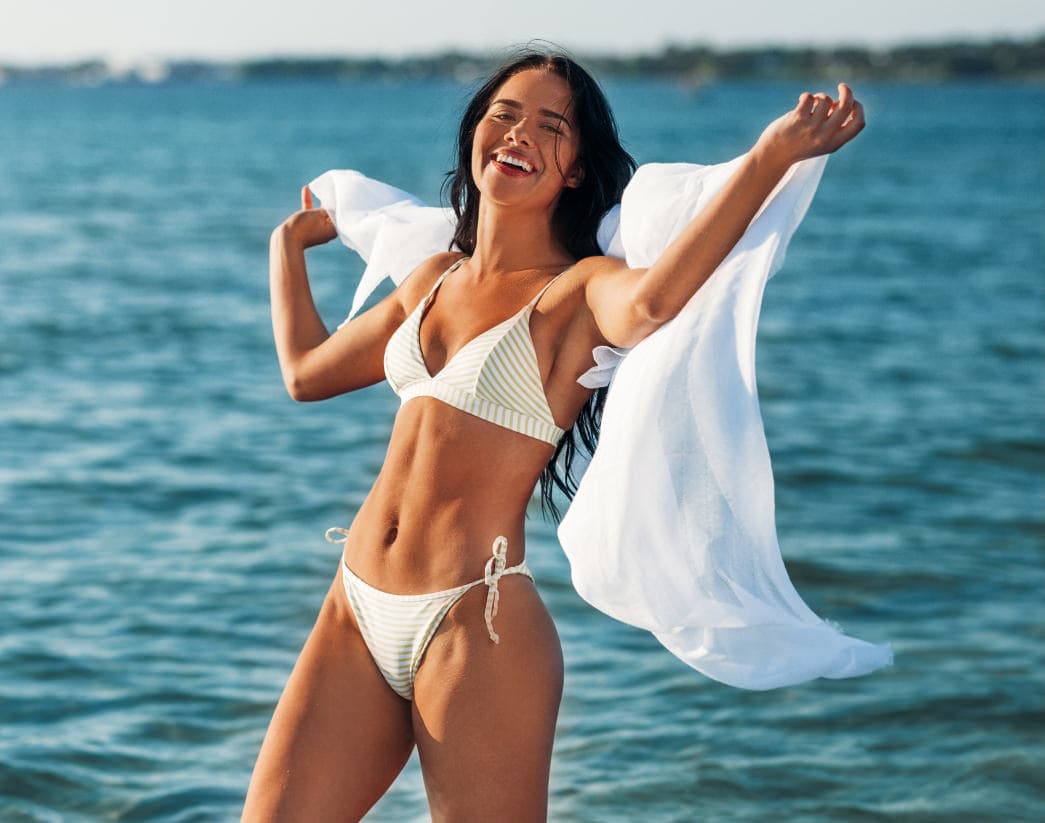
Have a bulge you aren't thrilled with? Fat grafting helps you improve contours in the places that need it most. It’s all about rethinking the role of fat in achieving a sleek, sexy physique.
La Jolla Cosmetic Surgery Centre 9850 Genesee Ave Suite 130
La Jolla, CA 92037 Call: (858) 452-1981Text: (858) 203-2944 M–F: 7:30 a.m.–6 p.m.
Fat/Nanofat Transfer in San Diego
Have you ever looked at your body and wished your proportions were different? Does one part of your body have “too much” while another has “not enough?” Do you think, “If only I could take fat from here and move it there?”
Here’s the great news: You can do it with fat grafting or a fat transfer here in San Diego. All you need to make your dream body real is a little help from the board-certified plastic surgeons at La Jolla Cosmetic Surgery Centre. With this innovative, advanced procedure, your fat is removed from one area where you don’t want it, purified, and then placed in another area where you want to add fullness or improve skin quality.
Fat Transfer At A Glance
Goal: Fuller body contours from your own fat
Anesthesia: General
Average Procedure Time: Varies (depending on the treated areas)
Recovery: 1 to 2 weeks
Resume Exercise: 3 to 6 weeks
Final Results: Gradually appear over several months
Longevity: Permanent (if you maintain a stable weight)
Considering Fat Transfer in San Diego? Here’s How It Works
Basically, a fat transfer is precisely what it sounds like: Your plastic surgeon transfers fat from one area of your body to another. However, the procedure is highly customizable and requires considerable skill and experience to achieve great results. Here’s how the process works:
Harvesting: First, using liposuction, your surgeon removes fat from your pre-determined areas. In addition to removing unwanted fat, your plastic surgeon sculpts a smoother, natural shape to the area.
Processing: Next, the fat is placed in a special machine that purifies it so the cells are more likely to survive in their new home.
Injecting: In the final step, your surgeon injects the fat in the area (or areas) you want to enhance.
You’ll likely notice the difference right away with fat transfer. Your results will continue to improve as the injected fat adapts to its new location and post-procedure swelling subsides. Within several months, you’ll be enjoying your new, natural contours that will last for years to come.
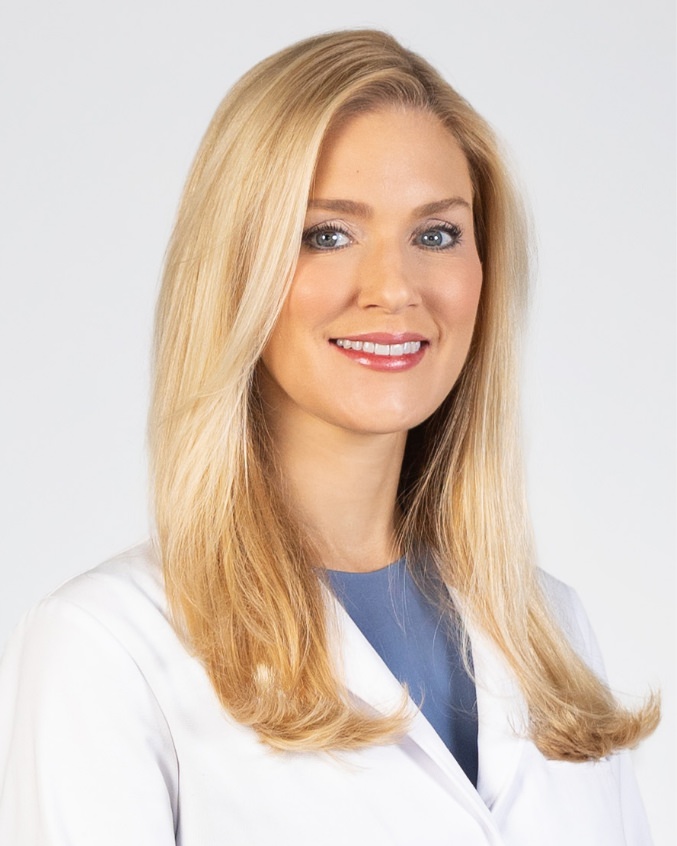
"I had a great experience with Dr. Riedler. She listened carefully to my goals, made me feel at ease throughout the process, and provided exc…"
Apr 16, 2026
"Corrective from a prior botched job. The trust and confidence of Dr and staff. He provided suggestions for overall optimal appearance. "
Apr 10, 2026
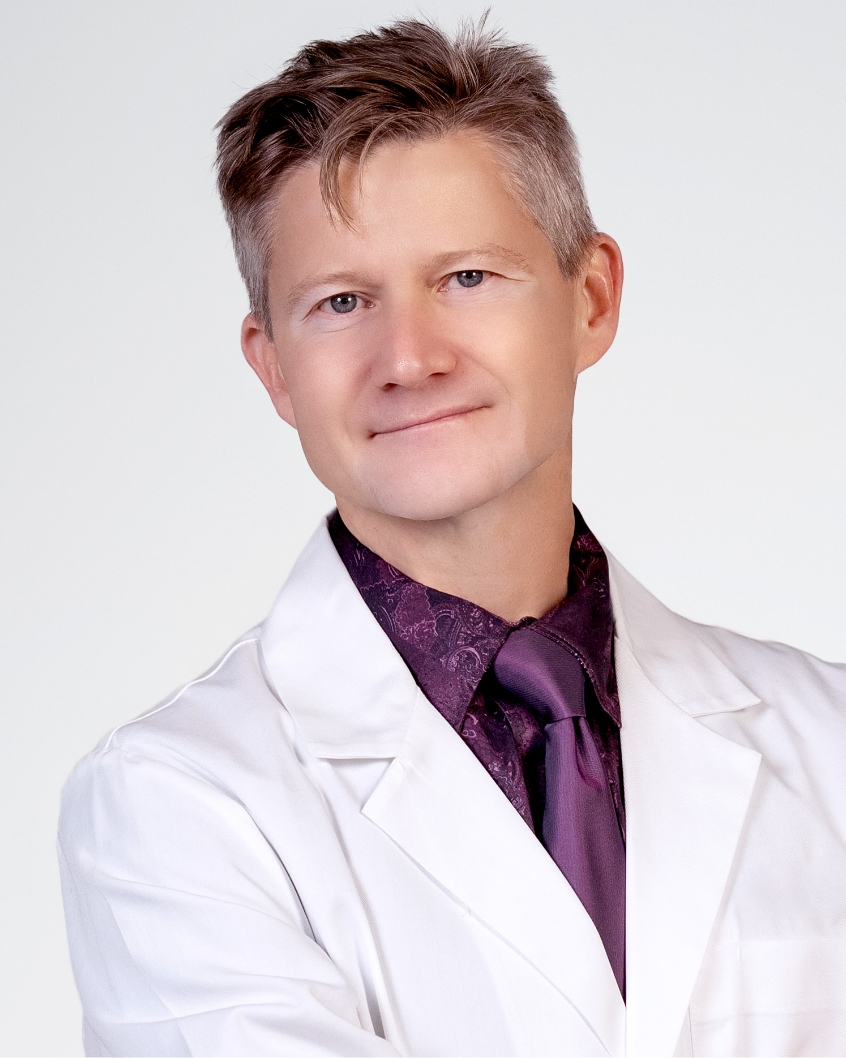
"Dr. Swistun is genuinely the nicest doctor I've ever had. He cares, he's patient and he does an amazing job!"
Apr 3, 2026
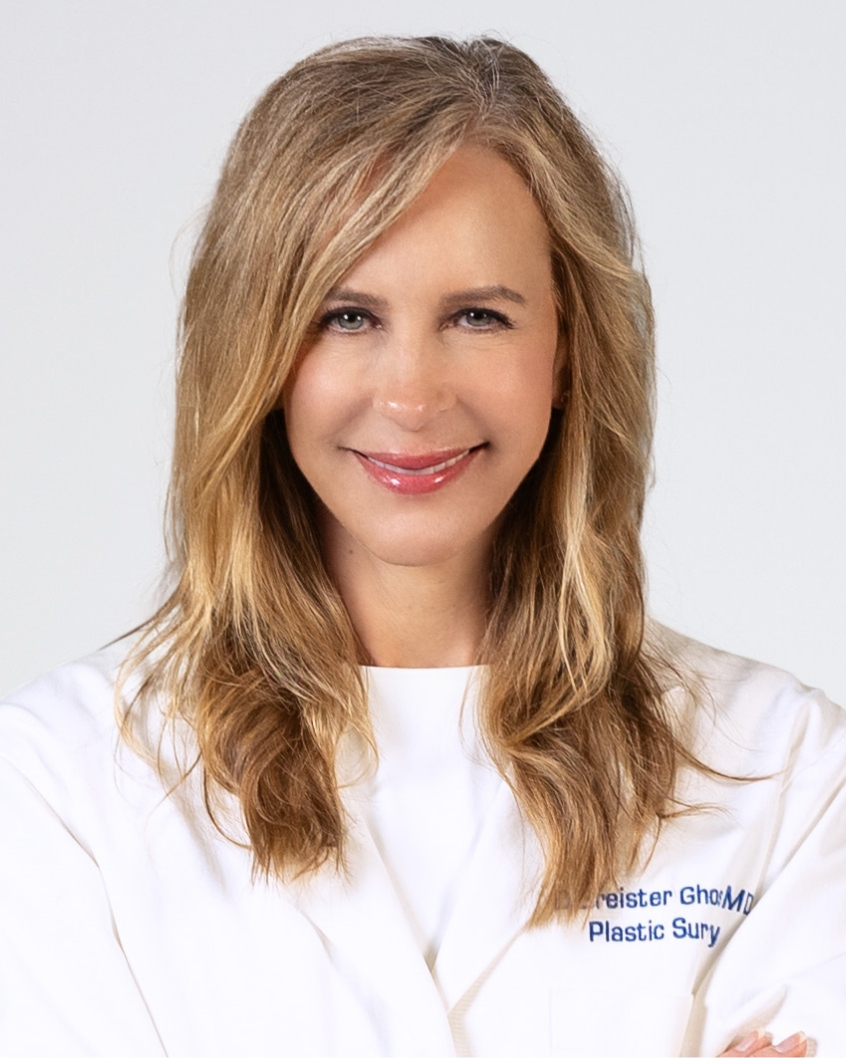
"I have so much confidence in Dr Breister that the results will be natural and provide the tightening and refreshed look I am aiming for. My …"
Apr 2, 2026
Does Nanofat Transfer Work Differently Than Fat Grafting?
We collect nanofat in the same way but use it to revitalize, smooth, and enhance your skin rather than add volume. Its regenerative properties enrich your skin over time, so fine lines and scars smooth out, and your skin looks more supple and evenly toned.
Better Results With a Better Technique
Older fat transfer techniques had a “take” rate (permanency of transferred fat) of only around 30%. Our board-certified plastic surgeons recognized this problem and took the time to train in newer, more reliable techniques that allow for less tissue trauma during fat removal and safer, more efficient fat purification. Most of our fat transfer patients now enjoy an increased take rate of 60 to 80%, meaning better results that last even longer.
We use the Tulip Nanofat Set™ to harvest nanofat, which has smaller particles than regular fat and is rich in skin rejuvenation factors. By refining our techniques and targeting more potent healing factors within the fat, we offer superior results to traditional methods.
Where Can I Transfer Fat?
Can you imagine slimming your belly or thighs while also getting a little more shape to your derriere? Could you use a slight boost in breast size without implants? Or, perhaps your face and hands could use some youthful volume while your stubborn belly has plenty to share? A fat transfer can achieve any of these goals and more.
Nanofat transfer can improve your skin nearly anywhere on your body. Whether you want smoother, firmer skin on your face, décolletage, neck, abdomen, forearms, or buttocks, nanofat transfer is a versatile, effective option.
A qualified, experienced plastic surgeon will customize your fat/nanofat transfer to address problem areas with excess fat and add volume or enhance your skin in places you’d like to boost. The result? A dramatic improvement in just a single procedure.
Design the New You
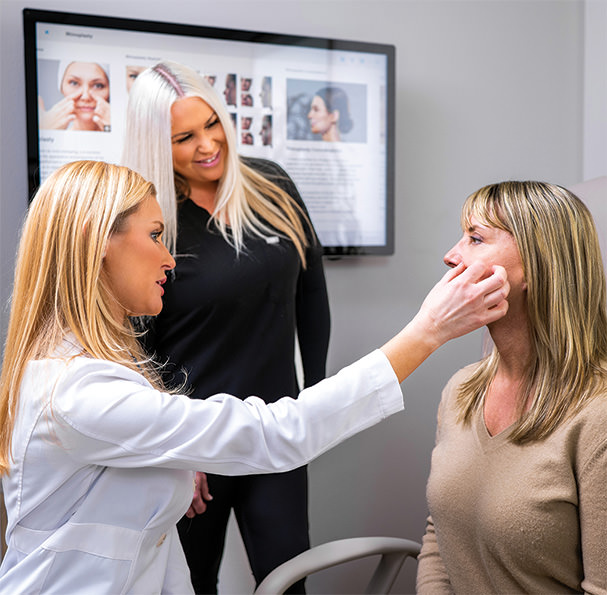
Not sure how to get the look you want? Tell us about your goals, and we’ll show you the possibilities.
Popular focus points for fat and nanofat transfer include:
Facial Fat Grafting
Dermal fillers are fab, but the effects are temporary, and costs can add up over time. With facial fat grafting, you use your own fat as a filler to restore volume to aging cheeks, smooth sagging lower eyelids, reduce deep creases, or enhance the lips. You can also use nanofat transfer for your face, giving your skin a firmer, more supple quality.
Hand Rejuvenation
Other than your face, your hands are the most consistently visible part of your body—and the aging process takes its toll there, too. Hand rejuvenation injections rejuvenate thin, bony hands and minimize visible veins and tendons to restore a smooth, soft, and elegant appearance you’ll be proud to show off.
Buttocks
Gone are the days when buttock augmentation meant less-than-natural-looking implants. With a Brazilian butt lift, our plastic surgeons remove fat from areas surrounding the buttocks (belly, hips, thighs, and lower back) and inject fat into the buttocks to enhance size and shape.
Breasts
Fat grafting is an excellent option for achieving a modest increase in breast size, improving breast shape and symmetry without implants, or enhancing the results of breast augmentation with implants.
Body
If you’d like a more hourglass silhouette or feel your body is out of proportion in some respect, a fat transfer procedure can achieve your goals beautifully and naturally by redistributing your fat. It’s the ultimate result: Your body will be leaner with better contours, and you’ll have a natural cosmetic solution for multiple “problem” areas.
A body fat transfer is an excellent, versatile procedure that can dramatically improve multiple areas of your body without implants, artificial fillers, or large scars. But there’s one big consideration: You have to have enough fat to redistribute to achieve your goals.
How much fat is enough fat? This depends on your goals, the areas you’d like to volumize with fat, and how much fat is needed for a natural, noticeable improvement.
In general, you’ll need more fat available for removal if you’re interested in the following:
Brazilian butt lift (buttock fat transfer)
Fat transfer breast augmentation
Body contouring with fat transfer
On the other hand, even most lean people have plenty of fat to get great results from facial fat grafting, hand rejuvenation, or small scar treatments.
Other factors that determine whether or not fat grafting is appropriate include:
The degree of enhancement you are hoping to achieve. Fat grafting is excellent for achieving modest enhancements, but if you’re hoping for dramatic size increases in certain areas, fat transfer may not be the best option (For example, a breast augmentation of a cup size or more typically requires implants.)
Your medical history. Transferred fat needs a healthy blood supply to take successfully, so people with circulation problems or smokers are usually not good candidates.
Your desire for permanent results. Unlike fillers, which absorb over time, or implants, which can be removed or replaced, a fat transfer is considered permanent. Although fluctuations in weight and aging can affect your results over time, fat grafting is usually not reversible.
Your Safety Is Our #1 Priority
Since 1988, more than 36,000 patients have had safe, successful procedures at La Jolla Cosmetic Surgery Centre.
Along with the obvious plus of keeping things natural, fat grafting offers several benefits over using implants or manufactured fillers to enhance features:
Results can last for many, many years without requiring a touch-up. Transferred fat is living tissue, and when it settles in its new location, it continues to function normally for its lifetime.
Fat transfer leaves minimal scars, with no visible scars at the site of injection. The only scars produced during most fat transfer procedures are those needed for liposuction, which are tiny and placed in inconspicuous locations, such as the natural folds of your body or where you’ll almost always wear clothing.
Results look, feel, and move naturally. Implants, and sometimes even fillers, can feel a little different than natural tissue under your skin. Using your own fat eliminates this potential issue.
How Much Does Fat Transfer Cost?
Do you want to remove unwanted fat and improve your contours while keeping your budget in shape? We’re here to help! Get started by paying only $163 per month with our affordable payment plans. Just make a $1,200 down payment and qualify with average credit for 48 months. If you have a better credit rating or can pay more upfront, you’ll enjoy even more monthly savings. It’s that straightforward!
Price can vary depending on specific factors, such as how much fat is being transferred. Visit our pricing page for an overview of costs, including fee ranges.
Here’s more good news. Applying for financing is super easy and convenient online, or we’ll guide you through your options in person during your consultation. Ready for curves in all the right places? Let’s get started!
MODEL
Get Started
Let’s make your already gorgeous bod and skin even better. We make it easy to take your next steps toward confidence with 3 convenient ways to connect with our team. In just a few clicks, you can call us now, book a call, or request a call back to explore options at La Jolla Cosmetic Surgery Centre—San Diego’s most awarded and trusted cosmetic practice!





![[The La Jolla Cosmetic Surgery Podcast cover art] San Diego plastic surgeon Dr. Johan Brahme smiling while consulting with a patient](https://www.ljcsc.com/content/uploads/2026/01/LJC225-thumbnail-1024x576.jpg)
![[The La Jolla Cosmetic Podcast cover art] LJCSC patient after a successful fat transfer surgery with Dr. Luke Swistun](https://www.ljcsc.com/content/uploads/2024/07/Copy-of-blog-featured-image-3.jpg)